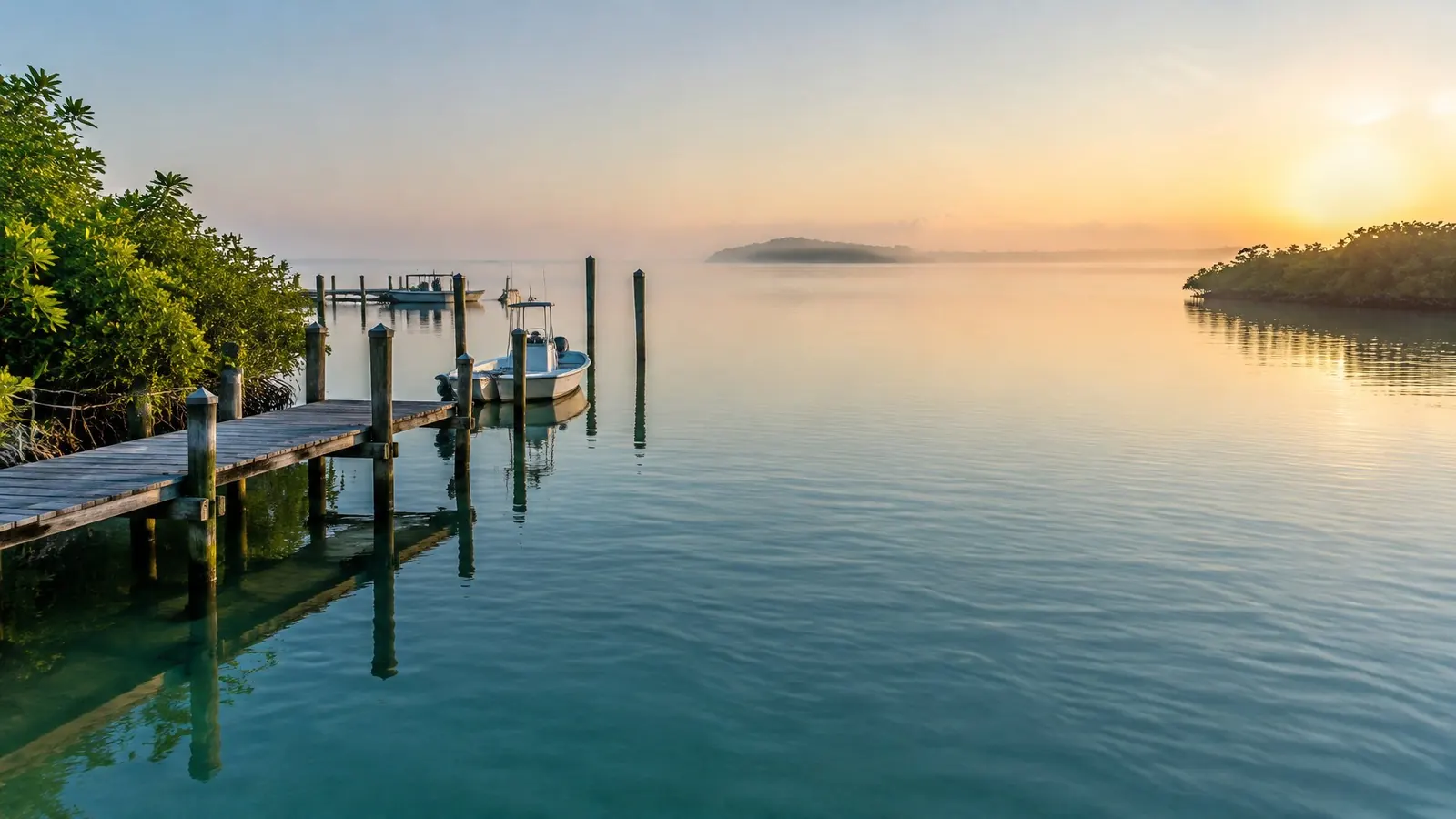
Fort Pierce and St. Lucie County
Water damage restoration in Fort Pierce, Florida
A pipe split, a roof let go in the rain, or a drain backed up into the hall. Call this number and you are connected with an independent restoration contractor who serves your ZIP code.
What the call is
This website is a referral line. It does not own trucks or crews. The number above rings an independent restoration contractor, and you describe the damage to that firm directly.
Fort Pierce, population 51,737 in the Census Bureau's 2025 estimates, sits on the Indian River Lagoon in St. Lucie County. Hurricane season runs from June 1 to November 30, and a wet ceiling can appear in any month. The pages here cover what usually happens in a house after water gets in, so the first call goes faster.
Pick the kind of damage
Every service page explains the work in plain terms, what changes the scope, and what to ask the contractor who answers.
- Water damage restorationThe whole job from first call to dry, rebuilt rooms.
- Water extraction and dryingPumps, air movers and dehumidifiers on wet floors and walls.
- Burst pipes and plumbing leaksSupply lines, slab leaks and the water they put in your rooms.
- Flooding and standing waterRain, surge and rising ground water in a house with no basement.
- Sewage backupToilets, tubs and floor drains that push waste into the house.
- Storm and roof-leak damageWind-driven rain, a lifted shingle line, a soaked ceiling.
- Appliance leaksWater heaters, washers, refrigerator lines and dishwashers.
- Fire and smoke damageSoot, smoke odor and the water the fire hoses left behind.
- Mold after water damageGrowth that follows a wet wall, and who may legally treat it.
Right after you notice water
Stop the source
Close the shutoff valve at the fixture or the main valve at the meter. If the ceiling is sagging, stay out from under it.
Cut power near water
Switch off breakers that feed wet rooms. Do not touch outlets or cords standing in water.
Call early
The EPA says wet areas should be dried within 24-48 hours to prevent mold. An early call gives the contractor more to work with.
Photograph first
Take photos and short videos of the damage before anything is moved. Insurers ask for them.
Hold off on throwing things away
Keep damaged items you can safely store until the adjuster has seen or documented them.
Florida details that change the job
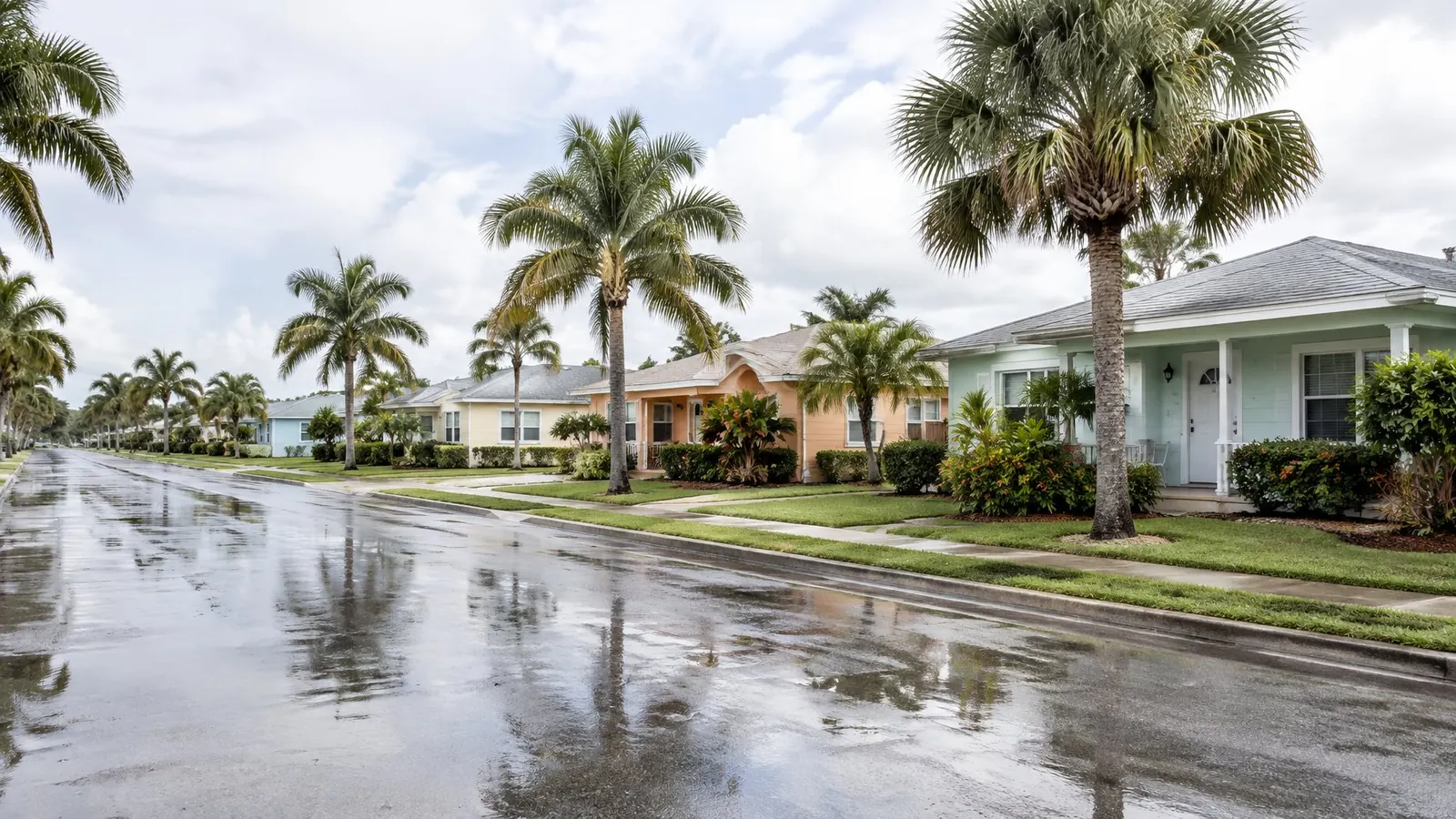
Most homes in the area are one-story block construction on a concrete slab, so water spreads across the floor instead of draining to a basement. Slab homes also hide supply-line leaks under the flooring. Those leaks keep running until someone notices a high water bill or a warm spot on the tile.
About half the occupied homes in the city of Fort Pierce are rented, per the Census Bureau's 2020-2024 survey, so the renter guide sits next to the owner guides.
Mold work has its own state licensing. The mold page explains where the line sits.
Towns this line covers
Calls from Fort Pierce ZIP codes 34947, 34950, 34981 and 34982 are covered. So are nearby Port St. Lucie, White City, Lakewood Park and Jensen Beach. The service areas page lists the ZIP codes.
Questions people ask
Who answers when I call?
An independent restoration contractor connected through a pay-per-call program. The contractor is not an employee of this website, and the site does not name or endorse one.
Does the call commit me to anything?
No. You describe the damage and ask your questions. Whether you hire the firm is your decision.
Do you handle insurance claims?
No. The insurance guide explains how coverage often works and where to take questions.
Sources
- U.S. Census Bureau population estimates
- U.S. Census Bureau American Community Survey
- National Hurricane Center: climatology
Sources were consulted on November 5, 2026. Agency pages change, so check the source before relying on a detail.
Water is still moving. Make the call.
Dial the number and describe what happened. You are connected with an independent restoration contractor who serves your ZIP code.